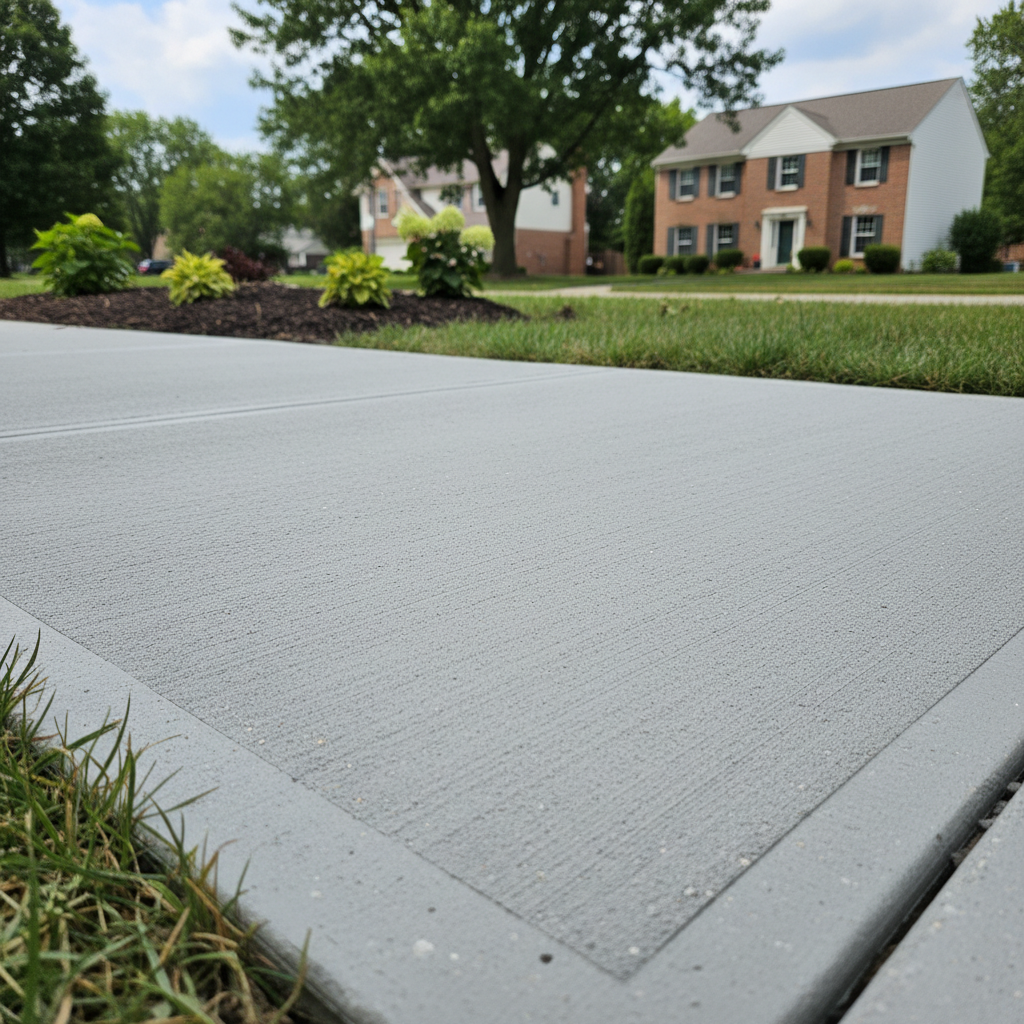
You have got a concrete sidewalk, and chances are, you have got questions about it. I have been working with concrete here in Wheaton for years, and I have heard just about everything. So, let us cut through the noise and get to the real answers you are looking for about your concrete sidewalks in Wheaton.
How long should my concrete sidewalk last here in Wheaton?
This is a big one, and the honest answer is: it depends. A well-installed and properly maintained concrete sidewalk in Wheaton can last anywhere from 20 to 30 years, and sometimes even longer than that. I have seen some concrete sidewalks go for 40 years or more here in Wheaton. But there are a lot of things that play into that lifespan for your concrete sidewalk. Things like the quality of the initial installation of the concrete sidewalk, the mix of the concrete, how well the base was prepared, and of course, our lovely Illinois weather with its freeze-thaw cycles all make a big difference for your Wheaton concrete sidewalk. If your concrete sidewalk was not done right the first time, you will see issues much sooner with that concrete sidewalk.
What causes concrete sidewalks to crack or become uneven?
Cracks and unevenness are the most common complaints I get about concrete sidewalks. In most cases, it is not the concrete itself failing, but it is the soil underneath the concrete sidewalk. Here in Wheaton, we deal with a lot of clay soil, which can shift and settle over time. Water is a huge problem too for concrete sidewalks. When water seeps under the concrete slab and then freezes, it expands, pushing the concrete up. This is what we call a freeze-thaw cycle, and it is very hard on concrete sidewalks here in Wheaton. Tree roots, especially from those big old oaks and maples we have in many of Wheaton's older neighborhoods, can also lift sections of your concrete sidewalk. Poor compaction during the original installation of the concrete sidewalk, or even just natural soil settling, can create voids under the concrete, leading to uneven concrete slabs and tripping hazards on your concrete sidewalk.
When should I repair a concrete sidewalk versus replacing it entirely?
This is where an honest assessment comes in for your concrete sidewalk. Small, hairline cracks in your concrete sidewalk can often be filled with a flexible caulk to prevent water intrusion and further damage to the concrete sidewalk. If you have got larger cracks, say over a quarter-inch, or significant surface damage like spalling (flaking), patching your concrete sidewalk might be an option. For uneven concrete slabs, especially if it is just a few sections, concrete lifting (like mudjacking) can often restore the level of your concrete sidewalk without a full tear-out. However, if the damage to your concrete sidewalk is widespread, if the concrete is crumbling, or if there is severe heaving due to major ground movement, a full replacement of the concrete sidewalk is usually the more cost-effective and long-lasting solution for your Wheaton property. Repairs for minor issues with your concrete sidewalk might run you $100-$300, while larger crack filling can be $300-$800 per section of the concrete sidewalk. A full replacement of a concrete sidewalk can range from $3,000 to $8,000, depending on the size and accessibility of the concrete sidewalk project.
Do I need a permit to repair or replace my concrete sidewalk in Wheaton?
Yes, you absolutely do need a permit for your concrete sidewalk project in Wheaton. If you are constructing, repairing, or replacing a public concrete sidewalk or drive approach located within the city's right-of-way (that grassy strip between your property line and the street), you will need a permit from the City of Wheaton. Wheaton takes permit compliance seriously for concrete sidewalk work. You can find the application for a Curb/Driveway and Public Walk Permit through the City's online portal. It is important to make sure your contractor for your concrete sidewalk project is registered with the City of Wheaton and has the proper insurance and bond. We handle that permit process for our Paradise Concrete Co. clients for their concrete sidewalks in Wheaton, so you do not have to worry about it.
How can I prevent water from damaging my concrete sidewalk?
Water is concrete's biggest enemy, especially with our climate here in Wheaton. The key is proper drainage around your concrete sidewalk. Make sure the ground around your concrete sidewalks slopes slightly away from them, so rainwater flows outward instead of pooling or seeping underneath the concrete sidewalk. Check your downspouts and make sure they are directing water at least 3-4 feet away from your concrete sidewalk. If you have persistent pooling, you might consider drainage solutions like French drains or trench drains, which collect and redirect water away from your concrete sidewalk. Sealing cracks early in your concrete sidewalk is also important; even small cracks can let water in, leading to bigger problems for your concrete sidewalk.
Is sealing my concrete sidewalk really necessary?
I get this question a lot about concrete sidewalks, and my answer is always a firm yes. Sealing your concrete sidewalk is one of the best things you can do to protect your investment in that concrete sidewalk. A good quality sealer creates a barrier that locks out water, stains, and damage from our harsh weather here in Wheaton, including those freeze-thaw cycles and de-icing salts. It helps prevent cracks and flaking on your concrete sidewalk, and it keeps the surface looking cleaner by repelling oil, grease, and other spills. Most high-quality sealers for concrete sidewalks last between 2-5 years, depending on usage and weather, so you will want to reapply every few years. It is a relatively low-cost maintenance step that can significantly extend the life of your concrete sidewalk and save you from much more expensive repairs down the road for your Wheaton concrete sidewalk.
What kind of maintenance does a concrete sidewalk need?
Once your concrete sidewalk is installed, it is pretty low-maintenance, but it is not no-maintenance. Regular cleaning of your concrete sidewalk is important. Sweep off debris, leaves, and dirt weekly from your concrete sidewalk, and occasionally wash it with a hose and mild detergent. This prevents stains and keeps the surface from getting slippery. Avoid using de-icing salts that contain ammonium nitrates or sulfates in the winter, as these can damage the concrete over time. Sand is a better option for traction on your concrete sidewalk. And as I just mentioned, sealing it every few years is a must for your concrete sidewalk. Also, keep an eye out for small cracks or signs of unevenness on your concrete sidewalk and address them promptly before they become bigger issues for your Wheaton concrete sidewalk.