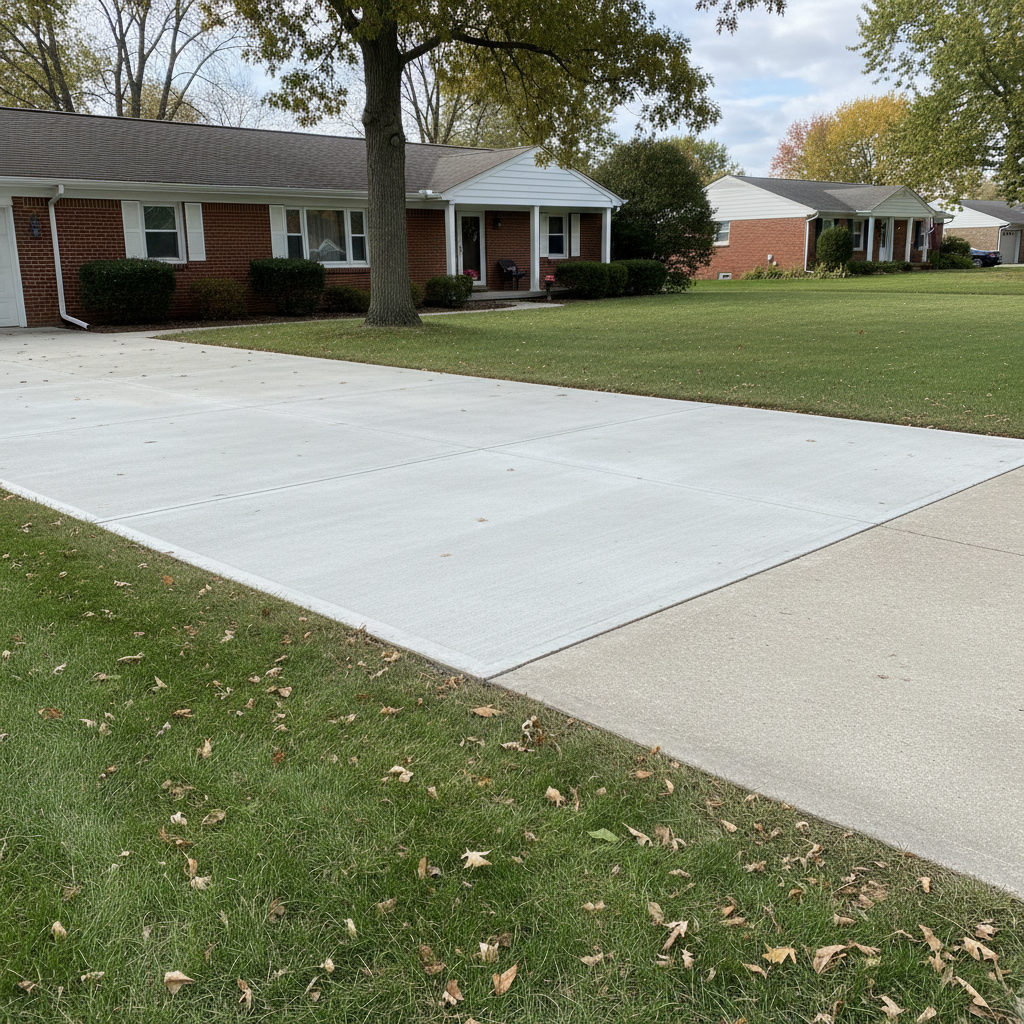
So, You've Had Concrete Repair Done. Now What?
You've just put money into fixing your driveway, patio, or sidewalk right here in Wheaton. Maybe Paradise Concrete Co. did the work, or perhaps another local crew. Either way, you want that repair to last, right? Of course you do. Because while concrete is tough, our Illinois weather — especially those brutal freeze-thaw cycles we get — can really take a toll. A little regular care, believe me, goes a long way in making your repaired concrete stick around.
Making Your Concrete Repair Last Longer
The best thing you can do to get more life out of your concrete repair is to keep water out and protect it from heavy hits. Water is concrete's worst enemy, especially when it freezes. That constant expansion and contraction? That's what causes so many of the concrete problems we see around here.
Seal it up: If your contractor didn't seal the repair, or if it's been a few years, get it sealed. A good penetrating sealer will push away water and chemicals, stopping them from soaking into the concrete. I usually tell folks to reseal every 2-3 years, especially for busy areas or spots that get a lot of salt.
Handle drainage: Make sure water isn't just sitting on or near the repaired spot. If your downspouts are pouring water right onto your driveway, extend them. Got a low spot that collects water? Think about adding a small drain or changing the landscaping nearby. This is super important in older Wheaton neighborhoods where some of the original grading might not cut it anymore.
Watch the heavy loads: Try not to park big vehicles like RVs or commercial trucks on areas only built for passenger cars. Too much weight can really stress even freshly repaired concrete, particularly if the base wasn't packed down perfectly.
Be smart with de-icers: Calcium chloride generally does less damage than rock salt (sodium chloride). But honestly, the best plan is to shovel early and often. If you absolutely have to use a de-icer, use just a little bit and clean up any leftover residue once the ice melts. Never, ever use ammonium sulfate or ammonium nitrate; those things will eat right through concrete.
Regular Maintenance: What You Should Be Doing
This stuff isn't rocket science, but it's easy to forget. A few simple chores can save you a headache and a lot of money down the road. Trust me on this one.
Clean it often: Sweep off dirt, leaves, and debris. Power wash it once a year to get rid of grime and any lingering de-icer residue. Just don't use super high pressure or hold the nozzle too close, especially on older or more delicate concrete.
Deal with cracks early: Even after a repair, tiny hairline cracks can pop up. It's not always a sign of failure, but if you spot them, fill them with a good concrete caulk or crack filler. This stops water from getting in and making things worse.
Check expansion joints: These are those strips (often wood or fiber) between concrete slabs. They're there to let the concrete move a bit. If the material in these joints is crumbling or gone, replace it with a flexible sealant. This keeps water from sneaking under the slabs and washing away the base.
Warning Signs: When to Pay Closer Attention
Keep an eye out for these signals. Catching them early can keep a small issue from turning into a huge repair.
New or widening cracks: A fresh crack, or one that's clearly getting wider or longer, is a red flag. Especially if it's running through an area that was just repaired.
Spalling or flaking: This is when the top layer of concrete starts to peel or chip off. Freeze-thaw cycles and de-icing salts often cause it. If you see this, it means water is definitely getting into the concrete.
Uneven surfaces or sinking: If a slab starts to sink or tilt, or if there's a noticeable height difference between two slabs next to each other, that points to a problem with the base underneath. This happens a lot around here, especially with our clay soils that can expand and shrink with moisture.
Pitting: Small holes or craters showing up on the surface. This could be from poor quality concrete, aggregate popping out, or chemical damage.
When to Call a Professional
You can handle a lot of the routine stuff yourself, but some problems are just too big for a DIY fix. Don't wait until it's a complete disaster.
Large, structural cracks: If a crack is wider than a quarter-inch, or if it's running through something that holds up weight, like a foundation, get an expert opinion. These aren't just cosmetic issues.
Significant sinking or unevenness: If you've got tripping hazards or big sections of concrete moving, that usually means a serious issue with the sub-base that needs a pro to look at it and fix it, maybe with slab jacking or even a full replacement.
Extensive spalling or pitting: If a big part of your concrete is falling apart, it might be past a simple patch job. A professional can check out how bad the damage is and tell you the best way to handle it, whether that's resurfacing or replacing it entirely.
Water drainage issues: If you can't figure out why water is pooling or getting under your concrete, or if you think water is damaging your foundation, a pro can help diagnose and fix the real cause.
Look, your concrete is a big part of your home's structure and how it looks from the street. Taking a little time for maintenance and knowing when to call in the cavalry will save you money and headaches in the long run. If you're ever unsure about a problem with your concrete here in Wheaton, just give us a call at Paradise Concrete Co. We're always happy to take a look and give you an honest assessment. No pressure, just good advice.