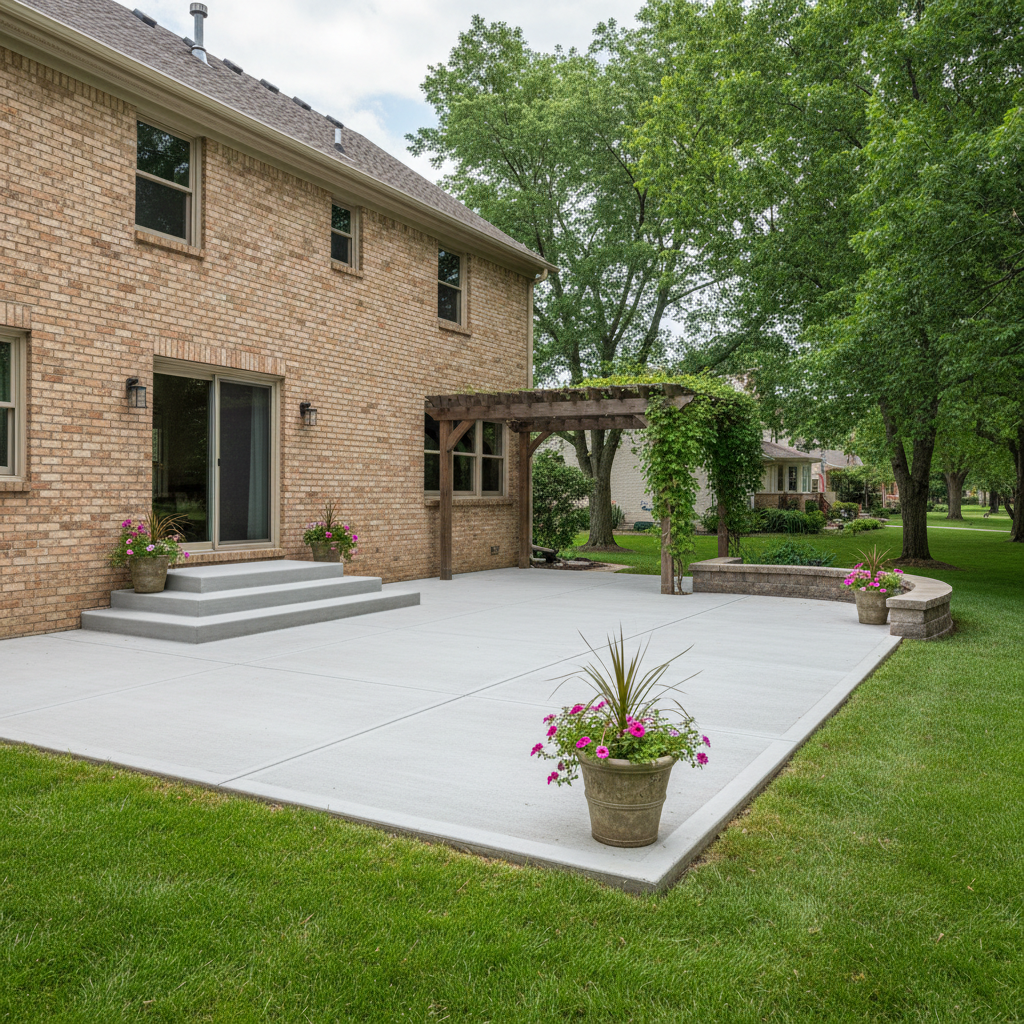
Thinking about a new concrete patio, are we? Maybe you've got visions of summer BBQs dancing in your head, or just a quiet spot to kick back outdoors. That's fantastic! A well-built concrete patio really can transform your backyard. But, you know, I've seen enough projects go south to know there are some common blunders folks often make. Let's chat about how to steer clear of those so your patio project goes off without a hitch.
Mistake #1: Only Looking at the Cheapest Price Tag
I totally get it, everyone wants a good deal. But with concrete, the lowest bid often means someone's cutting corners. You might save a few hundred bucks up front, only to shell out thousands later for fixes. Think about it: a contractor who's way cheaper than everyone else is probably skimping somewhere. Maybe they're using lower-grade materials, skipping critical sub-base prep, or they just aren't insured. You definitely don't want a concrete job that looks great for a year and then starts cracking and sinking because the base wasn't done right. Good concrete work? That's an investment, not a race to the bottom, if you ask me.
Mistake #2: Not Asking About Sub-Base Preparation
This one's a big deal, especially around here in Wheaton. We get some pretty brutal freeze-thaw cycles, and our clay soils can be really difficult. If your contractor just pours concrete over unprepared ground, you're basically asking for trouble. A proper sub-base — usually compacted gravel — helps with drainage and gives you a stable foundation. It's what stops your patio from heaving, cracking, and settling unevenly. Ask them, straight up, what their process is for getting the ground ready. If they gloss over it or say it's no biggie, that's a huge red flag. Here at Paradise Concrete Co., we know exactly how crucial this step is for a long-lasting patio.
Mistake #3: Forgetting About Drainage and Water Management
Where's all that rainwater going to go? This isn't just about avoiding puddles on your patio; it's also about keeping your home's foundation safe. Your patio absolutely needs to be sloped correctly, leading water away from your house, and ideally directing it to a good drainage spot. I've seen patios installed flat or even pitched right towards a house, which, as you can imagine, leads to leaky basements and foundation headaches. A good contractor will talk drainage with you and build it into the design. Don't just assume they'll figure it out; make sure it's part of your conversation.
Mistake #4: Not Getting Everything in Writing
Verbal agreements? They're worth the paper they're written on — which is to say, nothing. You really need a detailed contract that spells out every single thing: the work involved, the materials they'll use (like concrete PSI, rebar or mesh), start and finish dates, payment schedule, and warranty info. This protects both you and the contractor, you know? If there's ever a disagreement, you've got something to look back at. Don't just rely on a handshake, no matter how nice the person seems. A professional contractor will always give you a clear, written agreement.
Mistake #5: Skipping References and Proof of Insurance
Before you hire anyone, ask for references. And then actually call them! Ask about their experience, if the project finished on time and within budget, and if they'd hire them again. Also, double-check that your contractor has current liability insurance and workers' compensation. If someone gets hurt on your property and they're not insured, you could be held responsible. It's not a fun thought, but it's a very real risk. Any reputable contractor will be happy to provide these documents.
Mistake #6: Overlooking Expansion Joints and Control Joints
Concrete expands and contracts as the temperature changes. Without the right expansion and control joints, it's just going to crack wherever it feels like it. These joints are put in specific spots to let the concrete move without causing ugly or structural damage. If your contractor doesn't mention them or plans to skip them, that's a sign they might not really understand how concrete works. You want these joints cut or placed correctly to handle the natural stresses on the slab.
Listen, getting a new concrete patio should be an exciting project, not something that causes you stress. By knowing about these common mistakes and asking the right questions, you'll be much better prepared to hire the right crew and end up with a patio that truly lasts for years. Do your homework, ask those tough questions, and don't settle for anything less than quality work.