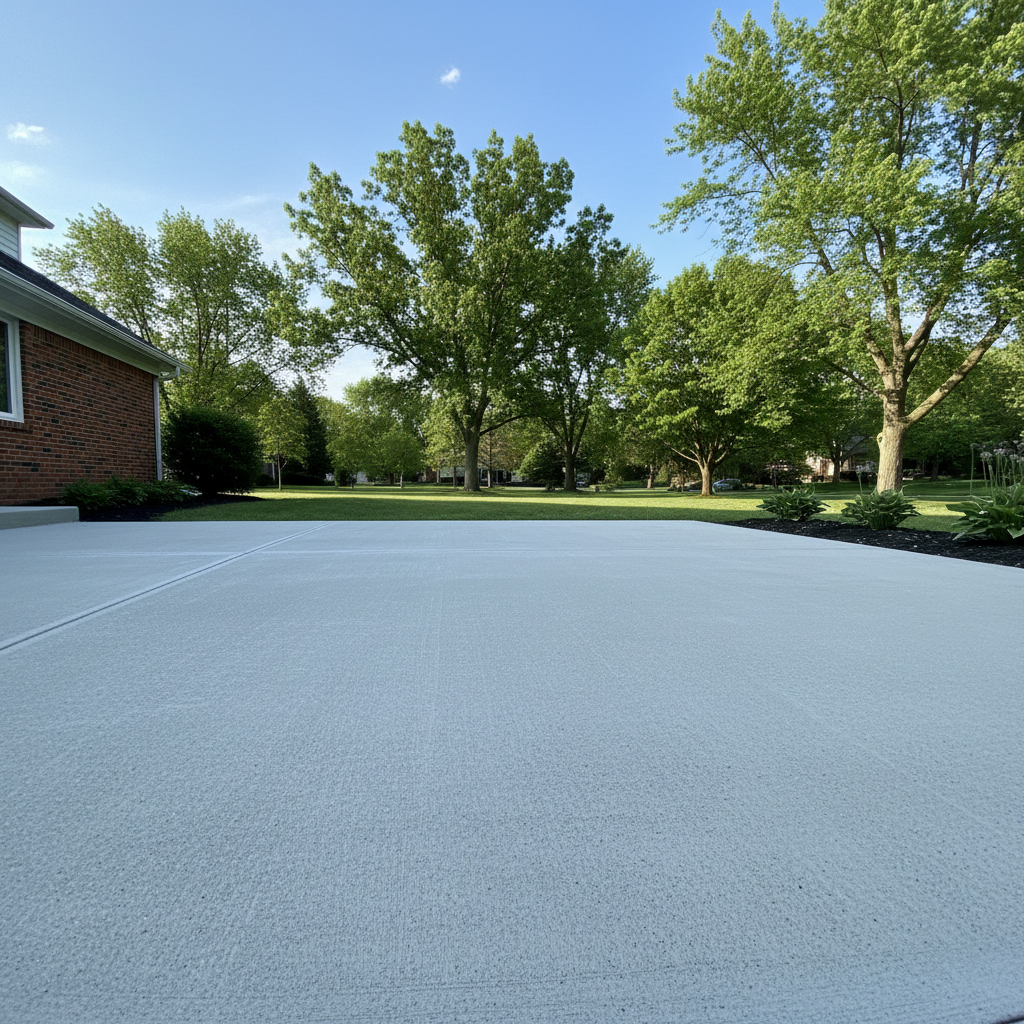
What's the real deal with concrete costs?
Alright, let's talk money. That's usually the first thing folks want to know, and it's totally fair. Concrete isn't some cheap, quick fix, but it's an investment that can really last decades if you get it done right. The price tag isn't just for the concrete itself, though; it's a whole package. You've got the cost of materials, which covers the concrete mix, rebar or mesh, and any special stuff we add in. Then there's the labor – those skilled guys who know how to get the site ready, pour, finish, and cure it properly. And don't forget equipment rental, getting rid of old concrete, and disposal fees. Even how easy it is to get to your yard can play a role. If we have to wheelbarrow everything in because a truck can't get close, well, that adds time and labor. Generally, you'll see a per-square-foot cost, but that can really jump around depending on how thick it is, the finish you want, and how complex the job is. A standard 4-inch driveway is a different beast from a 6-inch garage slab or some tricky, curved walkway. I always tell people to ask for a detailed quote that breaks down all these parts so you truly understand what you're paying for. It's not just a number, you know? It's a service.
How long does concrete take to cure, and when can I use it?
This is a big one, and it's where being patient really pays off. When we talk about concrete 'curing,' we're actually talking about the chemical reaction that hardens it, not just it drying out. It's a continuous process that can go on for weeks, even months, but there are some key points along the way. Usually, for light foot traffic, you can walk on new concrete after about 24 to 48 hours. For vehicles, like parking your car on a brand-new driveway, you'll want to wait at least 7 days, and ideally 28 days for it to hit its full design strength. Rushing this can lead to cracks, spalling, or other damage that you definitely want to avoid. We'll always give you specific instructions for your project, but think of it this way: the longer you can keep heavy loads off it, the stronger and tougher it'll be in the long run. It's not just about it feeling hard; it's about the internal structure really developing.
What causes concrete to crack, and can it be prevented?
Cracks are pretty much inevitable with concrete; that's just how the material is. Concrete shrinks as it cures, and that shrinkage creates stress. Throw in our freeze-thaw cycles here in Wheaton, and you've got a recipe for movement. Good contractors, though, do a lot to control *where* those cracks happen and minimize how bad they get. We use control joints (those cuts you see in new concrete) to make weak spots, encouraging cracks to form neatly along those lines instead of just popping up randomly across the slab. Getting the subgrade ready is super important too – a stable, well-packed base stops uneven settling. Reinforcement like rebar or wire mesh also helps hold the concrete together if it *does* crack, keeping wide gaps from forming. Good drainage is key around here, especially with our clay soils in some older neighborhoods; standing water under a slab can cause all sorts of headaches. You can't stop every tiny hairline crack, but you can absolutely prevent major structural failures with proper design and installation. That's where Paradise Concrete Co. really focuses its efforts.
Do I need a permit for concrete work in Wheaton?
You know, this is one of those things that can really trip people up. The short answer is: sometimes, yeah. It honestly depends on what you're doing and where. For instance, if you're just replacing an existing sidewalk or a small patio that isn't attached to the house, you might not need one. But if you're pouring a new driveway, making an existing one bigger, adding a new garage slab, or doing anything that affects drainage or public right-of-way, you'll almost certainly need a permit from the City of Wheaton. This isn't just red tape, by the way; it's to make sure the work meets local codes for things like setbacks, drainage, and structural integrity. A good contractor will know the local rules and help you through the permit process, or even handle it for you. Don't skip this step; fines for unpermitted work can be a real headache, and you might even have to rip it out and start all over again.
What's the best time of year to pour concrete in Wheaton?
Here in the Midwest, timing is everything. Ideally, you want to pour concrete when temperatures are consistently above freezing and not too hot. Spring and fall are generally our sweet spots. In spring, after the last hard frost but before the scorching summer heat, you get nice moderate temperatures for curing. Same goes for early fall, before the ground starts to freeze up again. Pouring in the dead of winter is tough because cold weather slows down the curing process a lot, and you risk freezing the water in the mix before it can properly hydrate, which weakens the concrete. Summer pours can be done, but they need more care; hot weather makes the concrete set faster, which can lead to cracking if it's not handled quickly and cured correctly. We often use special admixtures and more intensive curing methods during extreme temperatures. So, while we *can* pour year-round with the right precautions, spring and fall usually give you the best conditions for a strong, durable slab.
How do I maintain my new concrete?
Once you've got that beautiful new concrete, you want to keep it looking good and lasting long, right? Maintenance isn't super complicated, but it's important. First off, keep it clean. Sweep off debris regularly, and hose it down if it gets dirty. For stains, a stiff brush and some mild soap usually do the trick. A big one for us in Wheaton is sealing. I really recommend sealing your concrete, especially driveways and walkways, every 2-5 years. A good quality penetrating sealer helps protect against moisture absorption, which is critical for stopping freeze-thaw damage, and it also resists stains from oil, salt, and other chemicals. Be careful with de-icing salts in winter; calcium chloride or magnesium chloride are generally safer than rock salt (sodium chloride), which can be really harsh on concrete. And try to avoid heavy impacts or dragging sharp objects across the surface. A little care goes a long way in extending the life and look of your concrete.